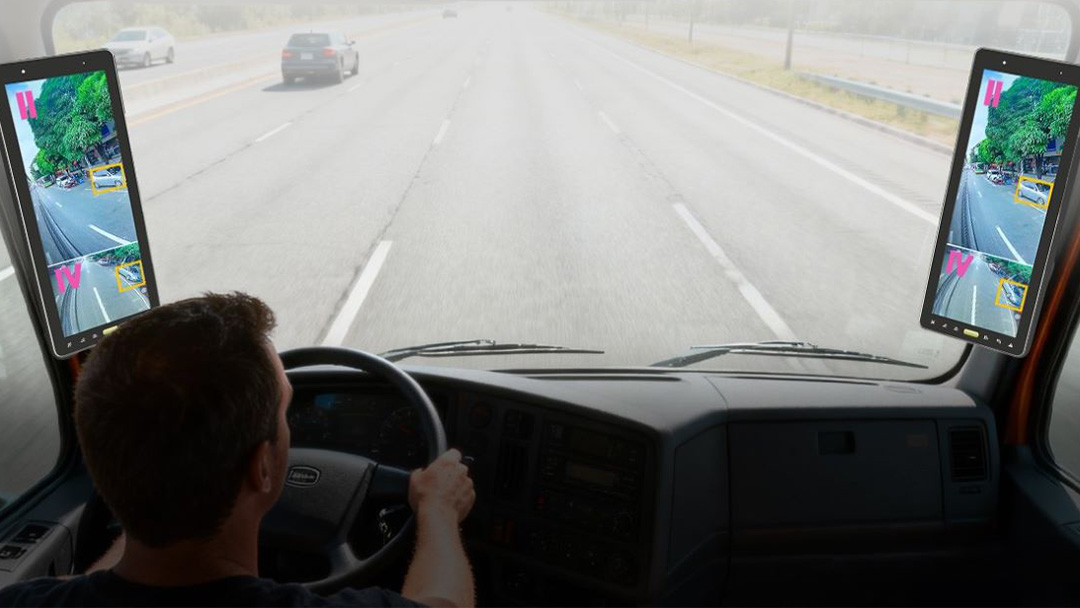
How Visual Perception Supports Embodied AI and Autonomous Systems in Real-World Applications
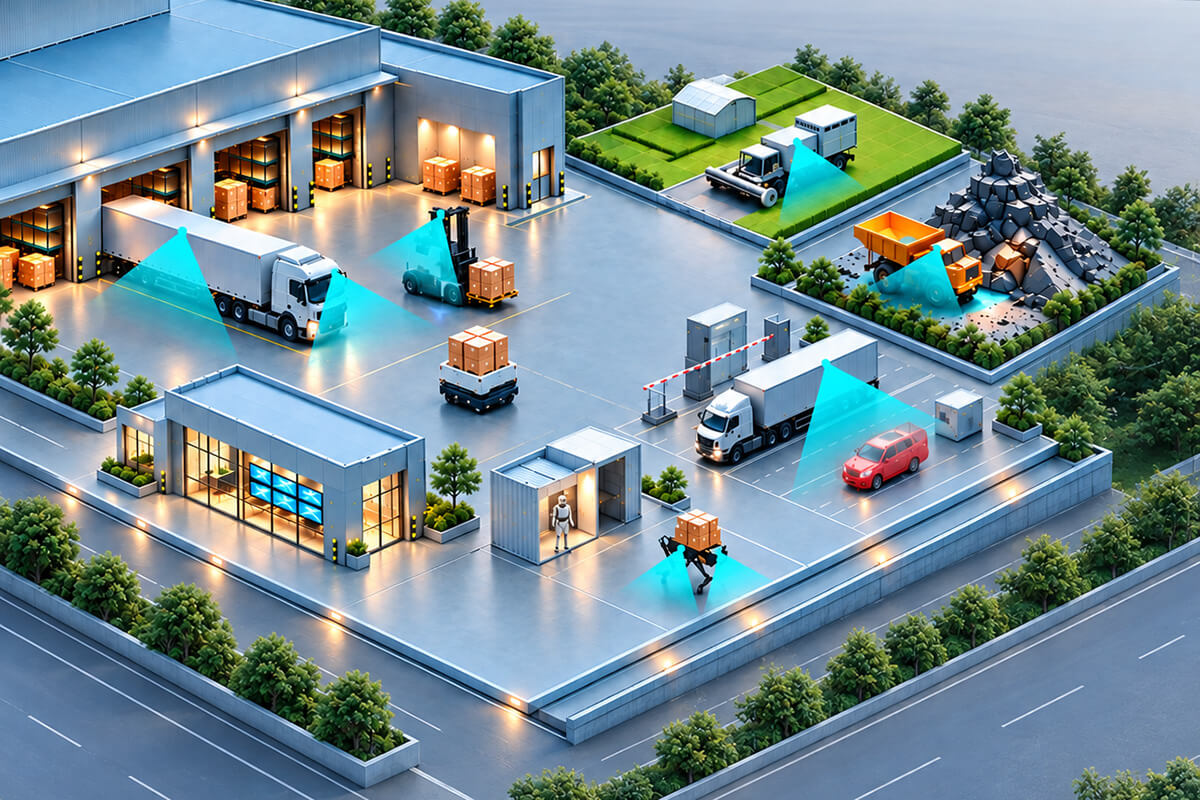
Embodied AI is gradually moving from technical development toward real‑world application scenarios.
The World Economic Forum’s 2025 white paper, Physical AI: Powering the New Age of Industrial Operations, explores how advances in hardware, artificial intelligence and vision systems are giving rise to physical AI — robotic systems capable of perception, reasoning and autonomous action. The report examines the development of intelligent robotics in industrial operations and their applications across the manufacturing value chain.
Deloitte’s 2026 report, Physical AI: The Moment of Acceleration, describes Physical AI as shifting from experimentation toward large‑scale deployment. It identifies industrial robotics as an important proving ground for Physical AI and notes that early adopters in manufacturing, logistics and related sectors are building the foundations needed to scale intelligent systems across the value chain.
In this process, industrial manufacturing, logistics and other operational environments are becoming important application areas for embodied AI and related intelligent equipment.
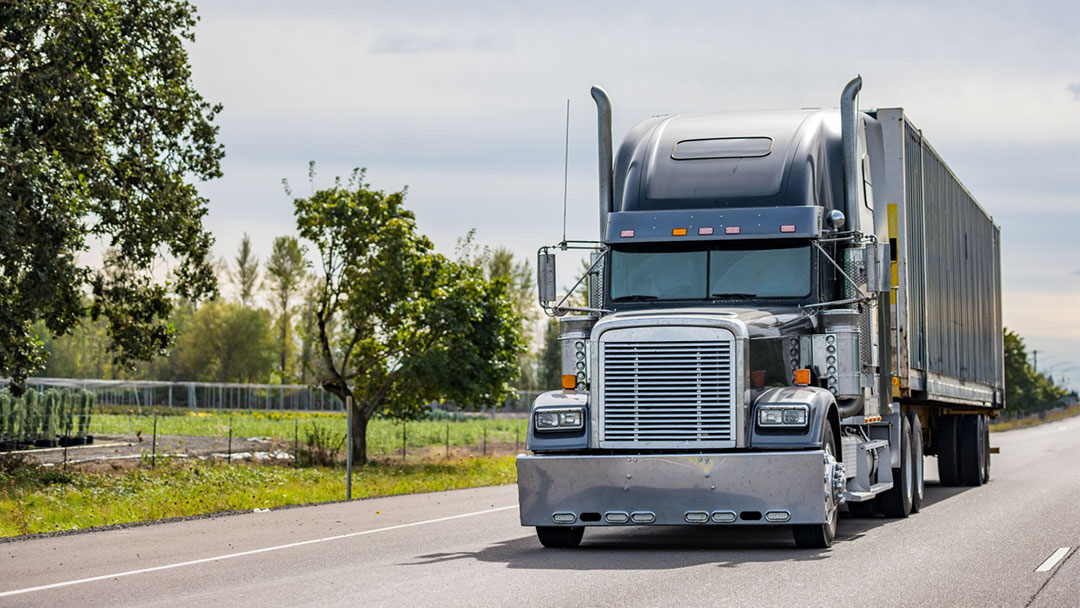
Autonomous forklifts transport materials between shelves, AGVs shuttle between production lines and warehouses, AMRs autonomously plan and adjust their routes according to environmental changes, autonomous container trucks perform horizontal transportation between quay cranes and container yards, and robots are entering more operating environments such as inspection, sanitation, firefighting, and public safety.
These devices differ in form and task, but they share a common requirement: continuously and reliably acquire real‑world environmental information and provide this information to subsequent recognition, decision‑making, and control systems.
Why Does Embodied AI Need Visual Perception?
The core of embodied AI is to enable intelligent equipment with physical bodies to perceive the real‑world environment, perform cognition and decision‑making, and take action through actuators, enabling continuous interaction with the physical world.
According to publicly available information from the Ministry of Industry and Information Technology of China, embodied AI equipment uses sensors to perceive the physical world and models or algorithms to understand tasks, make autonomous decisions, and execute actions. It is not limited to humanoid robots and can also include autonomous vehicles, quadruped robots, robotic arms, and other equipment. National standards projects similarly define embodied AI equipment as physical entities with capabilities including perception, cognition, decision‑making, and execution.
For embodied AI equipment, perception is an important foundation for autonomous action. Unlike traditional automated equipment that relies on fixed programs, embodied AI needs to continuously perceive changes in real‑world environments and make judgments, decisions, and actions accordingly.
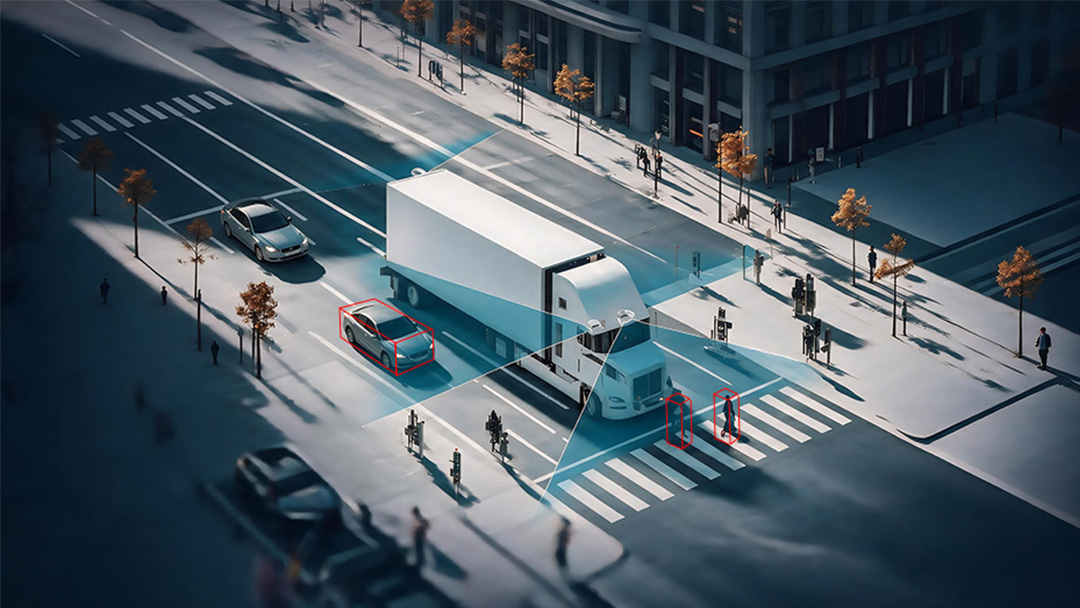
Among various perception methods, visual perception can continuously acquire image and video information through cameras, providing more intuitive environmental data. Combined with AI algorithms and computing platforms, visual perception systems can identify people, vehicles, obstacles, and other targets, providing data input for environmental perception, path planning, obstacle avoidance, remote operation, and equipment control.
For intelligent equipment operating autonomously in open and dynamic environments, visual perception is an important link between the physical environment and intelligent decision‑making.
Driven by these requirements, visual technologies long used in vehicles and industrial equipment are also extending into robots and other intelligent equipment.
STONKAM has long been engaged in the R&D of vehicle vision, AI vision, and vehicle perception products. STONKAM AI 360 Surround View Systems, AI Cameras, and IP Cameras have been delivered and deployed in multiple intelligent projects, covering industrial, logistics, sanitation, firefighting, public safety, autonomous delivery, and other intelligent equipment and application scenarios, providing visual perception support for embodied AI.
|
Core Perception Requirement |
STONKAM Product Solution |
Main Function |
Typical Application Equipment |
|
Surrounding environmental visual coverage |
AI 360 Surround View System |
Provides a 360° panoramic view around the equipment and expands visual coverage |
Autonomous forklifts, AGVs/AMRs, autonomous container trucks, industrial robots, etc. |
|
Target detection in specific areas |
AI Camera |
Intelligently identifies specific targets such as people and vehicles |
Autonomous equipment, logistics equipment, sanitation equipment, industrial vehicles, etc. |
|
Stable video data acquisition |
IP Camera |
Continuously outputs digital video data and provides stable image input for upper‑level vision systems |
Robots, autonomous equipment, intelligent vehicles, industrial equipment, etc. |
|
Distance and spatial information perception |
Radar products, including millimeter‑wave radar, ultrasonic sensors, LiDAR, etc. |
Complements visual perception by providing information such as target distance, obstacles, and the surrounding spatial environment |
AGVs/AMRs, autonomous forklifts, autonomous vehicles, autonomous container trucks, robots, and other intelligent equipment |
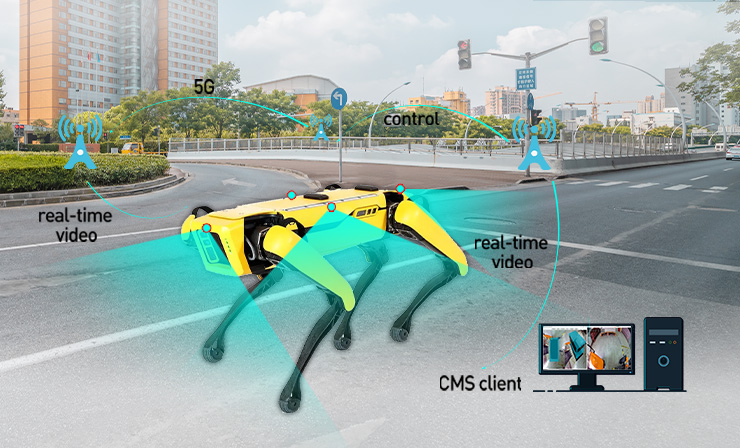
AI 360 Surround View System: Expanding Surrounding Vision for Intelligent Equipment
For intelligent equipment that moves or operates autonomously in complex environments, acquiring as much complete surrounding environmental information as possible is an important foundation for autonomous operation and task execution.
A single front‑view or rear‑view camera can normally cover only a specific direction, which means that visual blind spots may remain around the equipment.
STONKAM's AI 360 Surround View System uses multiple cameras to capture images from different directions around the equipment and applies image stitching technology to generate a panoramic view, thereby expanding the equipment's visual coverage.
In actual projects, the system can be configured according to the equipment structure, installation space, and perception requirements, and can also be combined with AI algorithms and other sensors to provide intelligent equipment with richer environmental information.
For example, in smart warehousing, smart logistics, smart ports, and other scenarios, different types of autonomous equipment may encounter various dynamic targets, including people, vehicles, goods, and obstacles.
By using 360° vision to obtain more comprehensive surrounding information, the system can provide a visual data foundation for subsequent target recognition, obstacle assessment, and equipment operation.
At present, STONKAM 360 solutions have been successfully applied in smart ports, smart warehousing, smart manufacturing, and other scenarios, providing full‑surround visual perception for autonomous equipment, reducing visual blind spots, and continuously acquiring surrounding environmental information to support autonomous movement, obstacle avoidance, and operational decision‑making.
Therefore, for embodied AI and autonomous mobile equipment, the value of a 360 surround view system is not limited to “displaying a panoramic image.” More importantly, it provides a form of full‑surround environmental visual input.
AI Camera: Target Detection in Key Areas
Unlike wide‑area visual coverage, some intelligent equipment has visual requirements concentrated in specific directions or areas, with greater emphasis on identifying and monitoring targets such as people and vehicles.
For example, an autonomous forklift may focus on whether people appear on either side or behind the equipment; sanitation equipment may mainly detect people and vehicles in its direction of travel; and industrial intelligent equipment may need to continuously monitor a specific operating area.
STONKAM AI Cameras use AI vision algorithms to identify people, vehicles, and other targets in images. Corresponding detection areas can be configured according to project requirements, providing intelligent equipment with targeted visual perception and warning capabilities. Existing AI Camera products support functions such as person and vehicle detection and configurable detection areas.
For example, for autonomous forklifts, logistics transportation equipment, and other intelligent operating equipment, an AI camera for robots can be configured according to the equipment structure and actual operating environment. AI BSD blind spot detection cameras can be used to detect people and vehicles in key areas such as the side, front, or rear of the equipment.
Specific applications can be configured according to equipment structure, target types, and project requirements, providing flexible AI visual perception solutions for different types of intelligent equipment.
From the perspective of an embodied AI system, the role of an AI Camera can be understood as a visual perception node that provides target detection for specific areas.
For autonomous robot perception, AI Cameras can provide targeted visual information for subsequent recognition, decision‑making, and control.
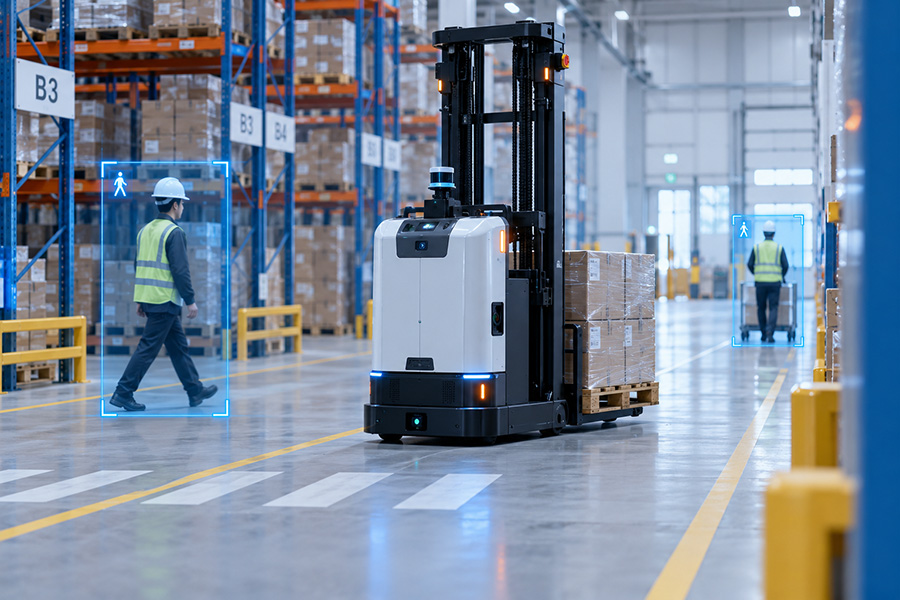
IP Cameras: Continuously Providing Video Data for Intelligent Equipment
Not all visual analysis needs to be completed on the camera side.
An increasing number of robots, autonomous equipment, and intelligent vehicles have their own computing platforms, controllers, or vision algorithm systems. In this type of architecture, the main task of the camera may be to continuously acquire images and stably transmit video data to an upper‑level computing platform.
This is also an important application direction for IP cameras.
Compared with traditional analog video transmission, IP Cameras output digital video data through network interfaces. They can be more flexibly adapted to intelligent equipment using network video architectures and can be deployed and integrated according to the equipment's system architecture.
For embodied AI and industrial equipment, cameras are often used under more complex conditions than ordinary indoor video equipment.
Vibration, high and low temperatures, rain, dust, installation space, and long‑term continuous operation may all place higher requirements on video system stability.
Therefore, when selecting an IP camera, in addition to resolution and network interfaces, environmental adaptability, product reliability, transmission stability, and compatibility with the equipment system also need to be considered.
STONKAM has long developed vision products for commercial vehicles and industrial equipment and has accumulated engineering experience in camera reliability verification, environmental adaptability, and system integration. STONKAM is also further extending its IP cameras into applications involving robots and other intelligent equipment.
For equipment manufacturers with their own AI computing platforms, an IP Camera is closer to a data entrance for the visual perception system.
For robot vision systems, IP Cameras can provide continuous digital video input to the upper‑level computing platform, supporting subsequent visual analysis and robot perception.
Radar Perception: Supplementing Visual Perception with Distance and Spatial Information
Vision can provide rich image, target‑feature, and environmental information, but real‑world environmental perception usually does not rely on cameras alone.
For equipment that needs to obtain target distance and spatial structure information or maintain detection capabilities under complex visibility conditions, millimeter‑wave radar, ultrasonic sensors, and LiDAR can serve as important supplements to visual perception.
For different application requirements, STONKAM provides various perception products, including millimeter‑wave radar, ultrasonic sensors, LiDAR, and radar‑camera integrated systems, providing intelligent equipment with environmental information from different dimensions.
Millimeter‑wave radar can be used for target detection and distance perception and is suitable for environmental perception involving targets such as vehicles, people, and obstacles. Ultrasonic sensors mainly support short‑range detection and can be used for obstacle perception around equipment. LiDAR can acquire distance and spatial structure information about the surrounding environment through spatial point‑cloud data, providing data support for environmental perception in autonomous mobile equipment.
For applications that require both visual target information and distance information, a radar‑camera integrated system combines radar and cameras in one product. It acquires environmental information through different perception methods and provides intelligent equipment with a more integrated perception option.
This combination reflects one development direction of intelligent equipment environmental perception.
Different sensors are not simply substitutes for one another. Instead, they provide complementary information according to their respective strengths.
Vision is more suitable for providing rich image and target semantic information, while radar and other sensors can supplement distance, velocity, or spatial structure data.
For complex autonomous equipment, obtaining environmental information through vision and other sensors can provide upper‑level systems with more multidimensional data input.
This approach is also an important part of sensor fusion, where different sensing technologies work together to provide more comprehensive environmental information.
Diverse Application Scenarios Continue to Extend Intelligent Equipment Perception Capabilities
|
Application Field |
Typical Equipment |
Core Perception Requirements |
Typical Application Characteristics |
|
Industrial & Ports |
Robots, autonomous vehicles, autonomous container trucks, etc. |
Environmental perception, panoramic coverage, blind spot monitoring, obstacle detection |
Equipment is densely deployed in operating areas and needs to continuously acquire information about people, vehicles, and the surrounding environment |
|
Warehouse Logistics |
AGVs, AMRs, autonomous forklifts |
Surrounding vision, obstacle detection, person and vehicle recognition |
Frequently operates around shelves, logistics aisles, and areas with personnel activity |
|
Logistics Delivery |
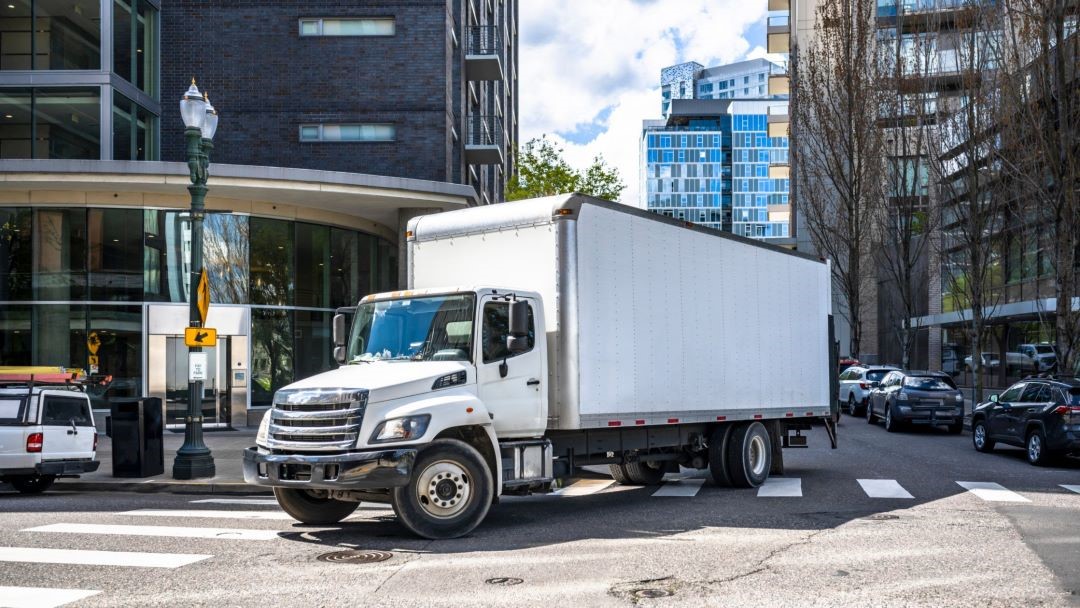
Autonomous delivery vehicles, autonomous parcel delivery vehicles, etc. |
Road environment, people, vehicles, and obstacle perception |
Operates in industrial parks or open environments with frequent environmental changes |
|
Smart Sanitation |
Sweeping robots, sanitation robots, etc. |
Road environment, dynamic target recognition, and obstacle perception |
Needs to continuously identify people, vehicles, and temporary obstacles |
|
Firefighting & Rescue |
Firefighting robots, emergency robots, etc. |
Surrounding environment observation, person and target search, obstacle detection, real‑time video acquisition and transmission |
Supports rescue operations through on‑site reconnaissance, target search and information transmission, requiring high equipment reliability and data transmission capabilities |
|
Public Safety |
Patrol robots, intelligent inspection equipment, etc. |
Wide‑area environmental perception, image acquisition, target detection |
Needs to continuously acquire surrounding environmental information to support all‑weather patrol, inspection and target observation |
In addition, STONKAM's related vision and perception products have been applied in projects involving autonomous driving equipment, UAVs, and other types of intelligent equipment, covering different operating forms from the ground to the air.
Different applications do not have exactly the same requirements for visual systems, but the underlying technical logic is consistent: visual systems need to continuously acquire real‑world environmental information and provide a visual data foundation for subsequent target recognition, environmental understanding, path planning, and equipment control.
Why Can STONKAM Extend Vehicle Vision Technology to Embodied AI and Autonomous Equipment?
From commercial vehicles and construction machinery to autonomous forklifts, robots, and other autonomous equipment, although their product forms are different, they all need to continuously acquire surrounding information in real and complex environments while facing practical operating conditions such as vibration, high and low temperatures, rain, dust, and long‑term operation.
Therefore, large‑scale deployment of embodied AI depends not only on algorithms and computing power, but also on stable perception hardware, environmental adaptability, and system integration capabilities.
STONKAM has long focused on the R&D of cameras, AI vision, 360° panoramic vision, radar, and video systems for commercial vehicles, industrial vehicles, and specialty equipment. STONKAM has passed ISO 26262 and ISO 21434 certifications and operates under the IATF 16949 quality management system, supporting the development and delivery of automotive‑grade products and solutions.
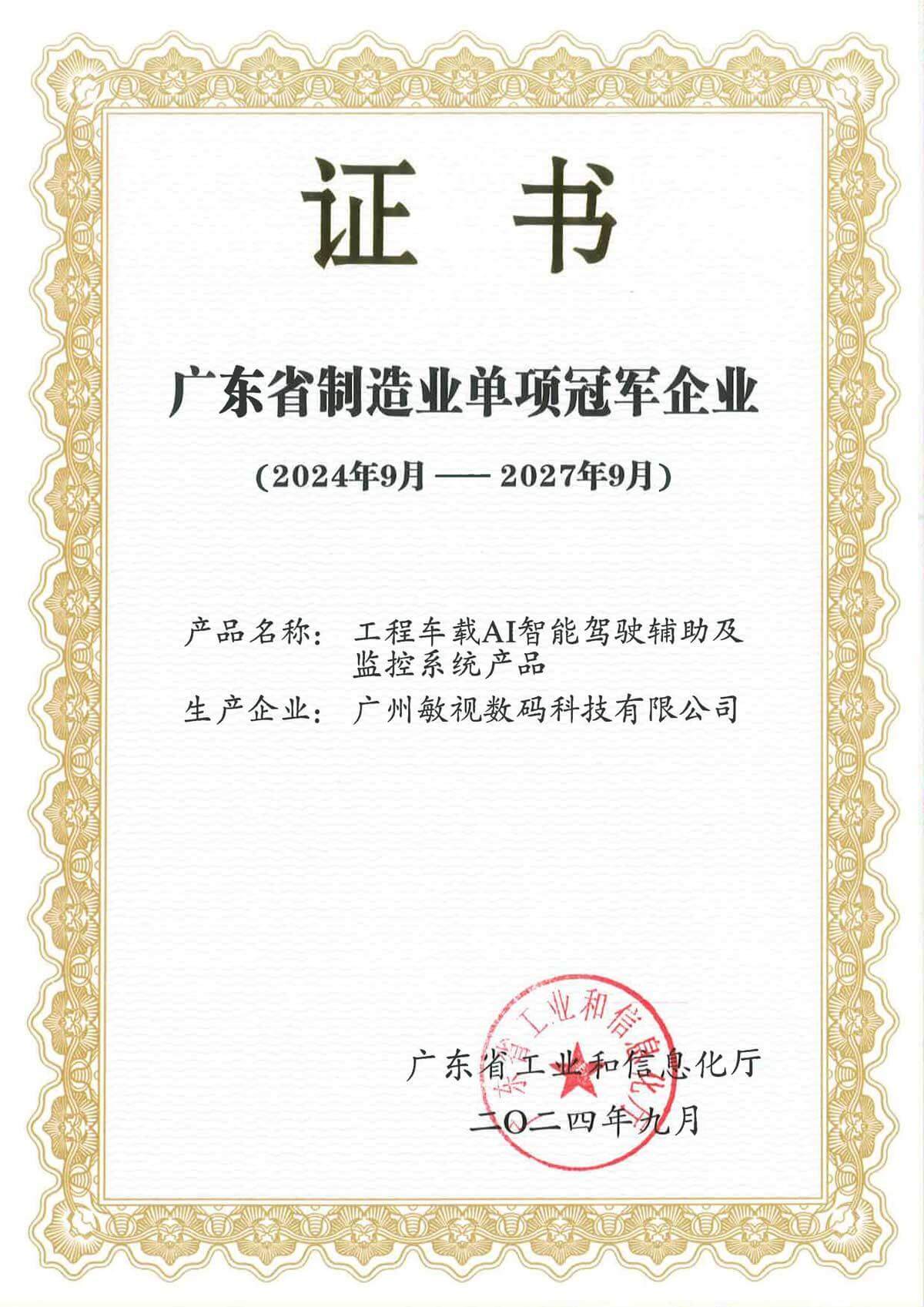
As robots, autonomous forklifts, AGVs/AMRs, and other intelligent equipment continue to develop rapidly, these accumulated visual perception and engineering capabilities are extending into more application scenarios.
For example, vehicle‑mounted 360° panoramic vision can be used to expand the surrounding field of view of autonomous equipment, AI person and vehicle detection can be used for perception in key areas, and IP Cameras can continuously provide stable video data for intelligent equipment.
Therefore, STONKAM is not simply transferring vehicle‑mounted products into the robotics field. Instead, STONKAM adapts and extends its long‑term capabilities in visual perception, environmental adaptability, and system integration according to the structure, application scenarios, and system requirements of different intelligent equipment.
Conclusion: Reliable Visual Perception Is an Important Foundation for Embodied AI in Real‑World Applications
From autonomous equipment in smart warehousing to autonomous transportation equipment in smart logistics, and further to intelligent equipment used in ports, sanitation, firefighting, public safety, and autonomous delivery, embodied AI and related technologies are moving from relatively closed application environments toward more open, dynamic real‑world scenarios.
In this process, the intelligence of equipment depends not only on algorithms and computing power, but also on its ability to continuously and accurately acquire information about the real world.
Embodied AI visual perception is an important component of this process, but it is not the complete embodied AI system itself.
A truly autonomous device also requires computing platforms, AI models, positioning, control systems, actuators, and different types of sensors to form a complete closed loop from perception to cognition/decision‑making and action.
For an intelligent perception product and solution provider such as STONKAM, its role is not to replace the “brain” or motion‑control system of a robot. Instead, STONKAM extends its long‑term capabilities in vision, radar, hardware design, and engineering to more intelligent equipment, providing underlying perception products and data support for acquiring real‑world environmental information.
As artificial intelligence, robotics, intelligent manufacturing, and smart logistics become increasingly integrated, competition in embodied AI will gradually shift from whether a system can complete a single demonstration to whether equipment can operate reliably, continuously, and at scale.
In this process, enabling intelligent equipment to more reliably “see” and perceive the real world will also become an important foundational capability for embodied AI visual perception and the large‑scale deployment of embodied AI.
-
Embodied AI devices need to continuously perceive changes in their physical environments in order to make decisions and perform actions. Embodied AI visual perception uses cameras and AI algorithms to provide information about people, vehicles, obstacles, and surrounding environments, supporting functions such as environmental perception, path planning, obstacle avoidance, remote operation, and equipment control.
-
A visual perception system provides environmental information to the upper-level intelligent system. Depending on the application, robot visual perception can provide panoramic environmental information, target detection, or continuous video data for subsequent recognition, decision-making, path planning, and equipment control.
-
The selection should be based on the equipment structure, operating environment, perception range, target types, computing architecture, and specific project requirements. A 360 surround view system can be used for wide-area surrounding visual coverage, while AI Cameras can provide target detection in specific areas. IP Cameras can provide stable video input to an upper-level computing platform, while radar and other sensors can supplement distance and spatial information.
-
AI 360 Surround View Systems can be applied to autonomous forklifts, AGVs/AMRs, autonomous container trucks, industrial robots, and other intelligent equipment that requires surrounding environmental perception. A 360 surround view system can expand the visual coverage around the equipment and provide visual data support for autonomous movement, obstacle avoidance, and operational decision-making.
-
STONKAM provides AI 360 Surround View Systems, AI Cameras, IP Cameras, millimeter-wave radar, ultrasonic sensors, LiDAR, radar-camera integrated systems, and other perception products. These products can support different requirements for embodied AI visual perception, including surrounding visual coverage, target detection, video data acquisition, distance perception, and spatial information perception.
-
Cameras can provide rich image and target semantic information, while radar and other sensors can supplement information such as distance, velocity, and spatial structure. Through sensor fusion, different perception technologies can provide complementary environmental information for intelligent equipment and support more comprehensive embodied AI visual perception.