Garbage Truck Camera System: Collection Verification, AI Safety and Fleet Management
Waste collection operators need to know which bins were serviced, where their vehicles are, and what happened when a complaint or safety incident occurs. Frequent stops, reversing maneuvers, and work around pedestrians and collection crews make both operational visibility and vehicle safety important.
STONKAM’s garbage truck camera system combines an AI‑powered mobile digital video recorder (MDVR), onboard cameras, GPS and 4G connectivity. With optional radio‑frequency identification (RFID) integration and a compatible management platform, the solution links bin identification, location data and visual records to support collection verification, incident review and fleet coordination.
What Operational and Safety Challenges Do Waste Collection Fleets Face?
Waste collection fleets must verify completed services, manage vehicle safety, investigate incidents, and monitor routes. Common challenges include:
● Unverified Waste Collection: Difficulties confirming whether each bin was serviced and investigating missed collections.
● Limited On‑Road Safety: Pedestrian and vehicle risks around garbage trucks, combined with driver fatigue and distraction.
● Insufficient Incident Evidence: Difficulty retrieving video evidence to investigate collisions, complaints, and liability disputes.
● Limited Fleet Visibility: Lack of real‑time collection status, route visibility, and centralized operational data.
An integrated garbage truck camera system combines collection verification, AI‑assisted safety monitoring, event video recording, and fleet tracking to give operators a clearer view of both on‑road risks and daily service execution.
How Is STONKAM’s Garbage Truck Camera System Configured?
STONKAM’s garbage truck camera system is built around an AI MDVR and compatible onboard cameras for video recording and AI‑assisted safety monitoring. GPS and 4G connectivity link vehicle information with a compatible fleet management platform. Optional RFID integration connects bin identification with location‑linked images or video, while the configured collection workflow determines how service records and completion status are presented.
How Can Waste Collection Operators Verify Completed Collections and Reduce Missed Pickups?
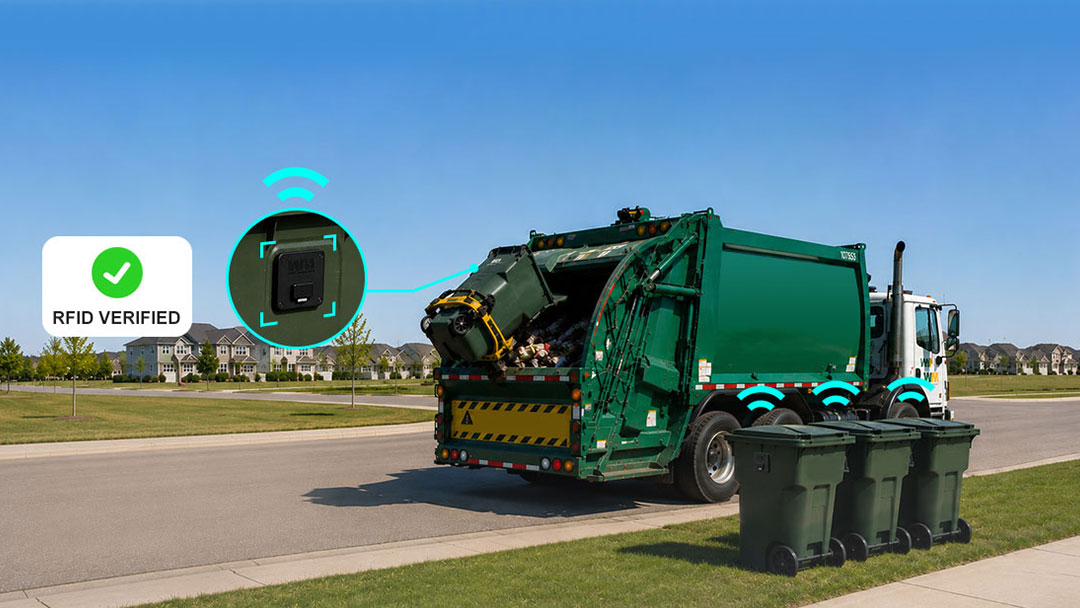
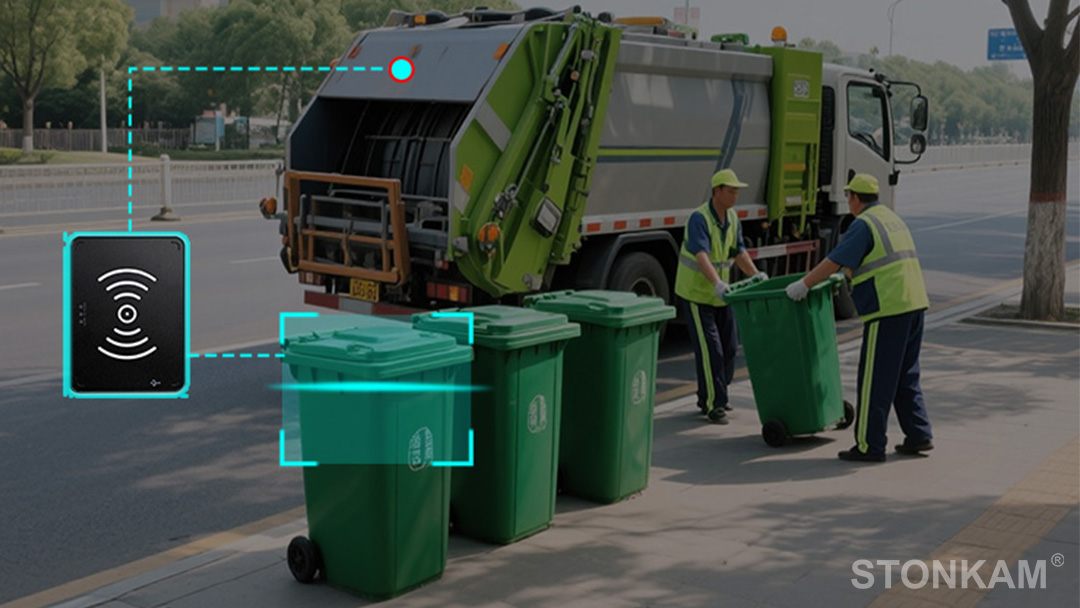
During daily waste collection, operators may face disputes over whether a bin was emptied, especially when routes cover multiple streets and collection records rely on manual reporting. STONKAM garbage truck camera system integrates optional RFID‑based bin identification with GPS‑linked images or video to help create traceable collection records.
● RFID Bin Identification: When a garbage truck collects a tagged bin, the system automatically identifies its RFID tag, reducing reliance on manual bin ID entry.
● GPS Location Binding: Links bin identification records with location data, helping managers check where collection activity occurred.
● Visual Record Capture: Images or video provide additional evidence for reviewing disputed pickups and investigating public complaints.
● Cloud‑Based Record Access: Collection records can be uploaded for managers to review service activity and follow up on potentially missed collections.
By linking bin IDs, location data, and visual records, waste collection operators can verify recorded service activity and investigate discrepancies more efficiently.
How Can STONKAM Garbage Truck Camera System Reduce Blind Spot Risks and Support Accident Investigation?
Garbage trucks frequently stop, reverse, and maneuver along residential streets, creating safety risks involving pedestrians, cyclists, and nearby vehicles. NIOSH identifies struck‑by incidents as a safety risk in refuse truck operations and highlights the importance of addressing these hazards.
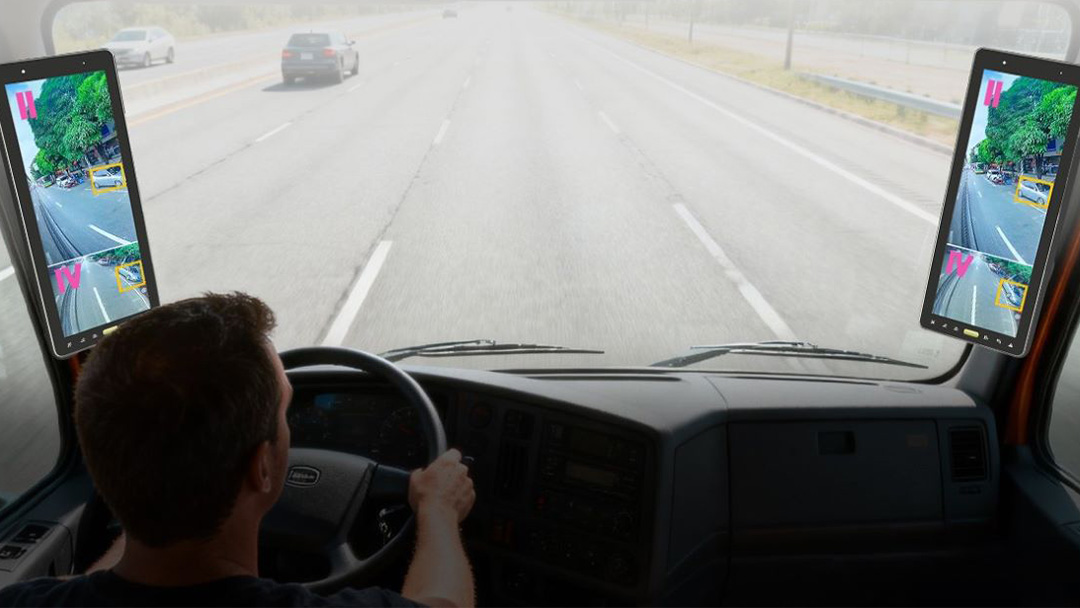
STONKAM garbage truck camera system uses an AI‑powered MDVR as its core, integrating active safety monitoring and video recording to help drivers respond to potential hazards and support incident investigation.
● AI Pedestrian and Vehicle Detection: The system detects pedestrians and vehicles within configured monitoring areas around the truck and alerts drivers to potential hazards during collection and maneuvering.
● Driver Monitoring System (DMS): Monitors signs of driver fatigue and distraction and issues alerts to support driver awareness during long shifts and frequent stop‑and‑go operations.
● Forward Collision Warning (FCW): Alerts drivers to potential collision risks involving the vehicle ahead.
● Event‑Triggered Video Recording: The MDVR records video associated with safety events, helping fleet managers review collisions, near misses, vehicle or property damage, and public complaints.
● Incident Evidence Review: Recorded footage and associated event data provide additional context for internal investigations and insurance claim assessments.
By combining AI‑powered active safety functions with onboard video recording, STONKAM garbage truck monitoring solution helps waste collection fleets monitor driving risks and review incidents. Available functions depend on the selected system configuration.
How Can STONKAM Garbage Truck Camera System Improve Garbage Truck Tracking and Route Visibility?
When multiple garbage trucks operate across different collection zones, fleet managers need timely information on vehicle locations, route progress, and service activity. STONKAM Garbage Truck Camera System integrates 4G connectivity, GPS tracking, and a cloud‑based fleet management platform to improve operational visibility.
● Real‑Time Vehicle Tracking: GPS data helps managers check vehicle locations during collection shifts and coordinate fleet activities.
● Route Playback: Historical route records help managers review vehicle movements, investigate route deviations, and assess route execution.
● Collection Status Visibility: When connected collection records are available, managers can cross‑check vehicle movements with recorded pickup activity and follow up on outstanding tasks.
● Remote Fleet Coordination: Centralized access to vehicle and operational data helps dispatchers coordinate vehicles across service areas and respond to changing collection needs.
By bringing vehicle location, route history, and available collection records into one management workflow, the system helps waste management teams review daily operations and make better‑informed dispatch decisions.
What Operational Benefits Can STONKAM Garbage Truck Monitoring System Deliver?
● Improved Operational Efficiency: Vehicle locations and route records help operators review route execution, coordinate dispatch and make better‑informed collection planning decisions.
● Better Complaint and Dispute Resolution: With optional RFID integration, bin identification records, GPS data and video footage help managers investigate missed‑pickup complaints and review disputed collection activity.
● Stronger Safety Oversight and Incident Review: AI‑assisted alerts help drivers respond to potential hazards, while event video recordings provide supporting information for fleet safety oversight and incident investigation.
● Greater Cost Control and Fleet Visibility: Centralized vehicle, route and event information helps managers identify operational issues, assess avoidable repeat trips and make better‑informed resource allocation decisions.
Why Choose STONKAM for Garbage Truck Monitoring and Waste Management?
STONKAM combines practical project experience with flexible system configuration to meet the needs of waste collection fleets.
● Real‑World Project Experience: STONKAM’s published Australian waste collection case study describes the deployment of nearly 2,000 integrated monitoring systems, combining RFID bin identification, GPS‑linked visual records, AI MDVR functions, and 4G fleet management. The project demonstrates how these capabilities can work together in daily waste collection operations.
● Flexible Project Adaptation: STONKAM Garbage Truck Camera System can be configured according to vehicle type, collection workflow, installation requirements, and fleet management needs, helping operators select a setup suited to their actual working conditions.
● Integrated System Design: By bringing together vehicle monitoring, collection verification, and fleet connectivity, STONKAM supports projects that need coordinated onboard systems rather than isolated devices.
Share your truck type, camera coverage, RFID requirements, video retention needs and existing platform details with STONKAM to discuss a configuration for your waste collection fleet.
-
With optional RFID integration, STONKAM’s garbage truck camera system links bin IDs with GPS locations and images or video to create traceable collection records. These records help operators review disputed pickups and investigate potentially missed collections. Completion status depends on the configured collection workflow and event rules.
-
Yes. STONKAM AI MDVR records driving events for later retrieval and review, helping fleet managers investigate collisions, property damage, and public complaints and provide supporting footage for insurance claims.
-
STONKAM Garbage Truck Camera System supports AI pedestrian and vehicle detection, DMS, and FCW to alert drivers to potential hazards during waste collection. Available functions depend on the selected system configuration.
-
STONKAM’s garbage truck camera system uses GPS and 4G connectivity to support vehicle tracking, route review and remote fleet coordination. When collection records are integrated with a compatible platform, managers can also review recorded service activity and follow up on pending tasks.
-
Yes. STONKAM’s DV456 AI MDVR supports CMSV6 and Wialon platforms, the JT808 protocol, and API-based integration with third-party systems. Compatibility, accessible data and collection-related workflows should be assessed against the selected equipment, platform interfaces and project requirements.
-
Operators should assess camera coverage, video storage, optional RFID integration, network connectivity, and fleet management platform needs. STONKAM Garbage Truck Camera System offers configurable functions to address these operational requirements across different waste collection vehicles.