How Does PLC Wireless Vehicle Camera System Enable Automatic Pairing Between Tractors and Trailers?
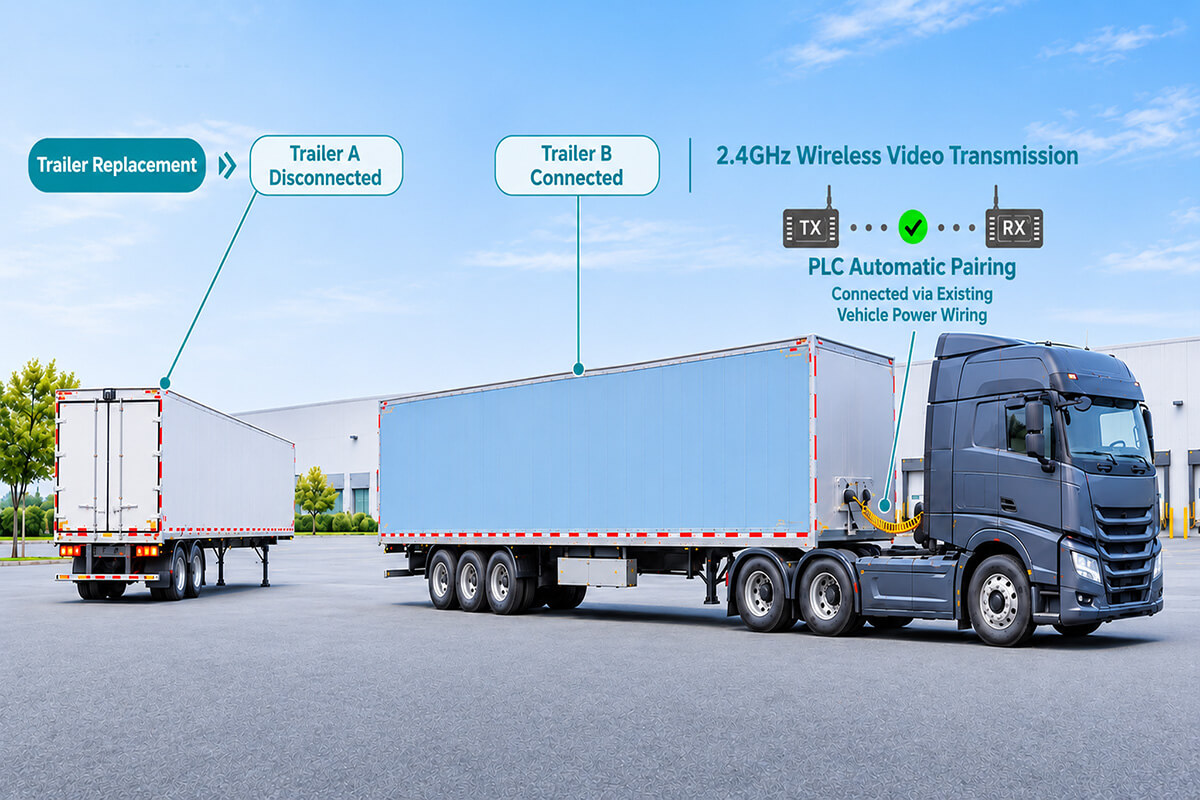
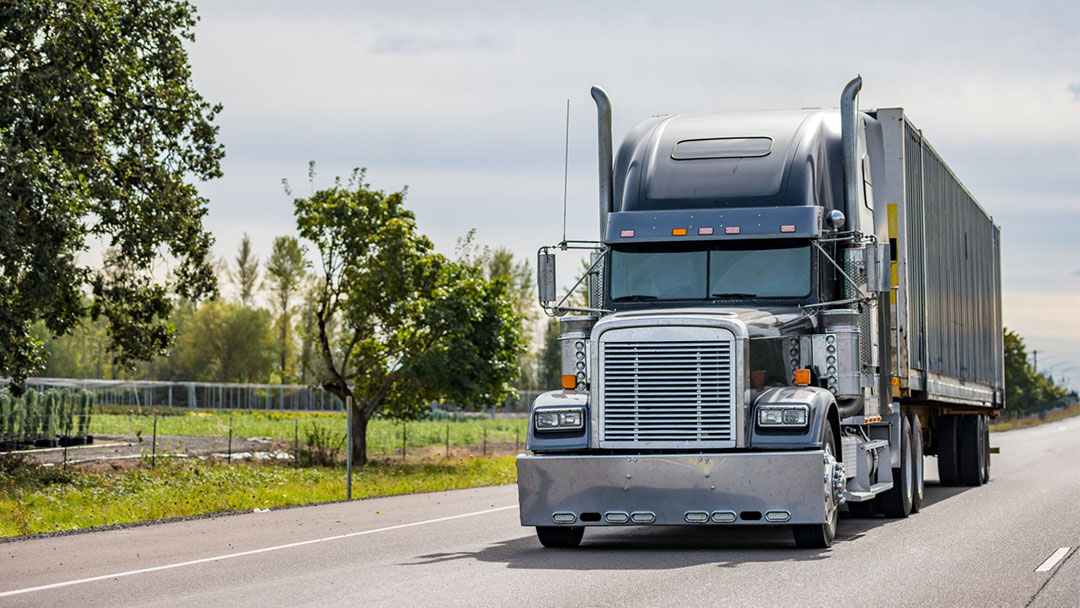
A tractor may be coupled with Trailer A in the morning and Trailer B in the afternoon. With traditional wired systems, video cables between the tractor and trailer need to be connected and disconnected. Some wireless systems also require manual re‑pairing after each trailer change, adding extra steps to daily operations.
For logistics fleets with frequent trailer changes, the key requirement is not simply transmitting camera footage wirelessly to the cab, but ensuring that the system can automatically connect to the current trailer's camera feed after each changeover.
STONKAM PLC Wireless Vehicle Camera System is designed for tractor‑trailer applications involving frequent trailer changes. When a tractor is connected to Trailer B, the original trailer cable is connected and power is switched on. Provided that compatible devices are installed at both ends and the power wiring meets the required conditions, the transmitters and receivers automatically pair without requiring drivers to manually select devices. Once pairing is complete, the in‑cab monitor can display the camera footage from Trailer B.
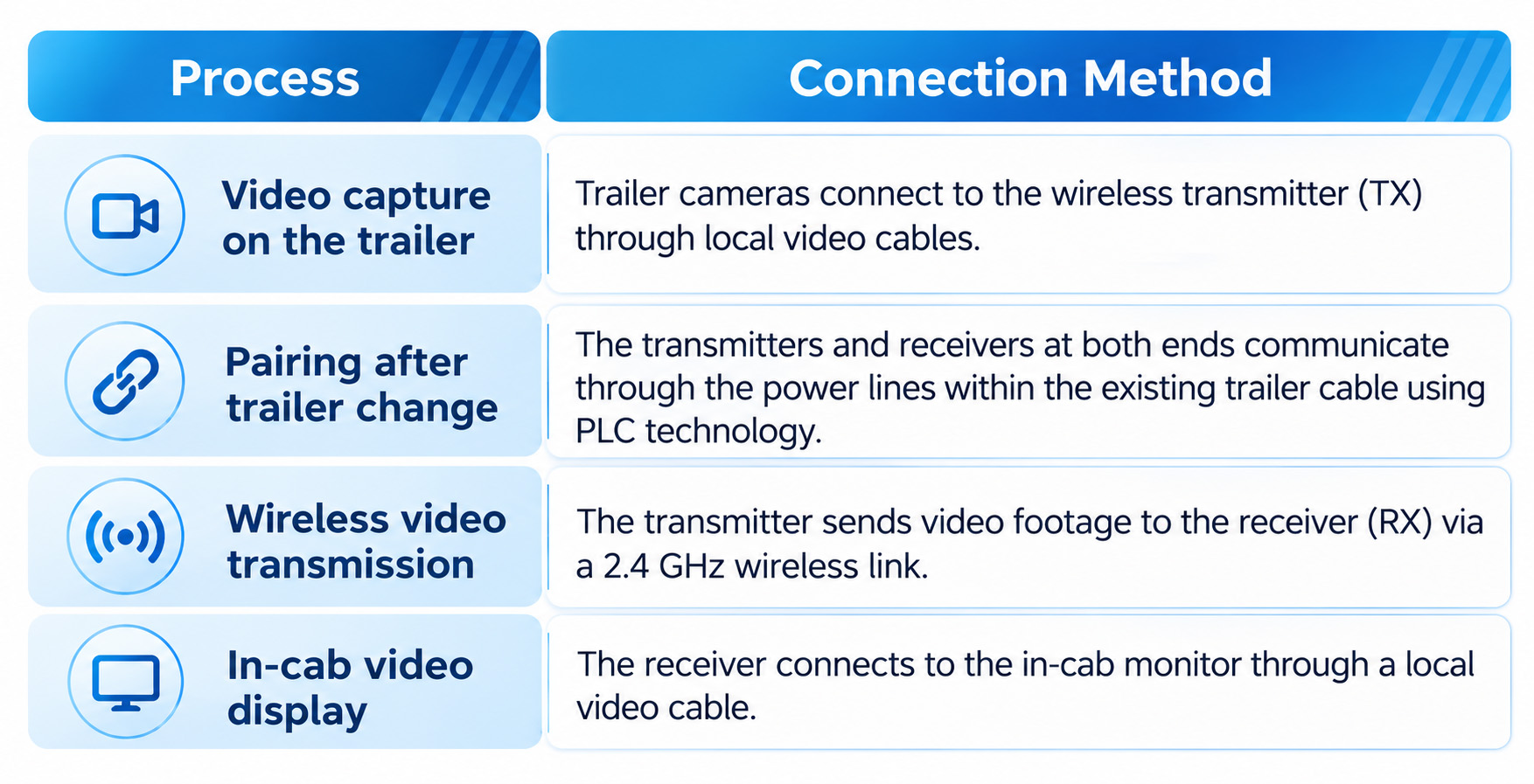
STONKAM uses PLC (Power Line Communication) technology for automatic pairing and a separate 2.4 GHz digital wireless link for video transmission. No additional video cables are required between the tractor and trailer.
How Does the STONKAM System Pair Devices and Transmit Video After a Trailer Change?
STONKAM separates device pairing from video transmission. After a trailer change, PLC communication establishes pairing through the existing power wiring connected between the tractor and trailer. Once paired, video footage from the current trailer is transmitted to the cab through an independent wireless link.
What Are the Advantages of STONKAM PLC Wireless Video Solution?
STONKAM offers multiple wireless video transmitter and receiver models with different configurations. Customers can select suitable options according to vehicle structure, camera quantity and monitoring requirements, simplifying system deployment and reducing installation and maintenance complexity.
1. Automatic Pairing Without Manual Device Selection
STONKAM wireless video transmitters and receivers use the existing power wiring within the trailer cable to establish PLC communication between the tractor and trailer. This enables automatic pairing after a trailer change, reducing manual operations and helping minimize the risk of pairing with the wrong vehicle.
2. Potential to Retain Existing Equipment During System Upgrades
For fleets with existing trailer cameras and in‑cab monitors, compatibility can be evaluated based on the interfaces, video formats and selected STONKAM transmitter and receiver models.
STONKAM wireless video transmitters support CVBS, AHD 720P and AHD 1080P video inputs. The receiver's output format follows the video format of the camera connected to the transmitter. This compatibility helps accommodate vehicle cameras with different resolutions and interface types, allowing customers to select suitable configurations based on their monitoring requirements.
3. Low‑Latency Wireless Transmission for Real‑Time Monitoring
STONKAM wireless video transmitters and receivers adopt 2.4 GHz digital wireless video transmission technology and support H.264 encoding. Video transmission latency is approximately 200 ms, with a wireless transmission range of up to 300 meters in open areas.
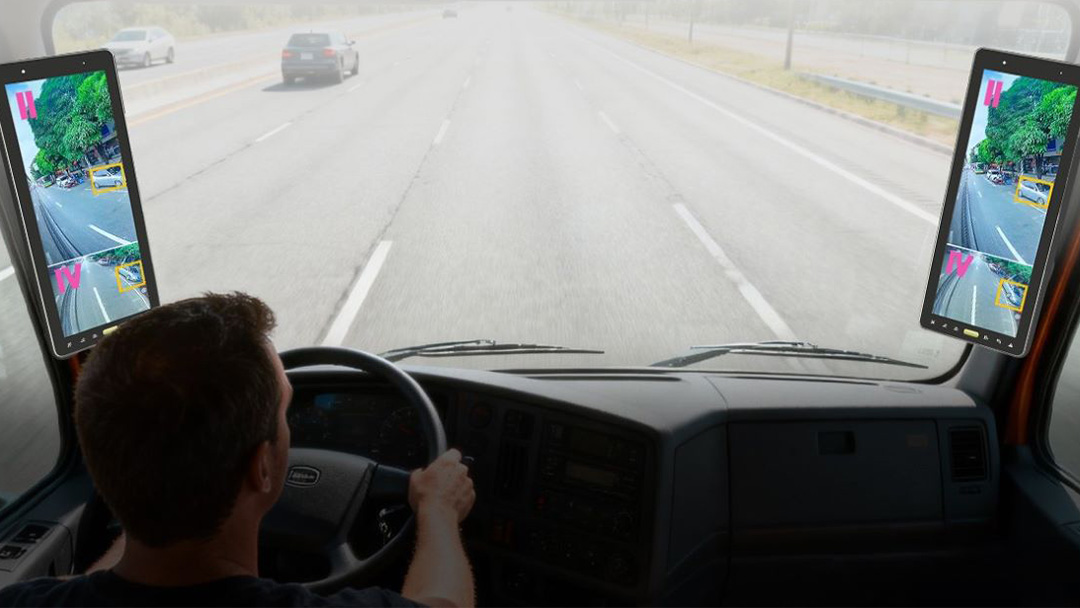
In tractor‑trailer applications, drivers can view real‑time footage captured by trailer cameras through the in‑cab display, providing visual assistance when monitoring areas behind and alongside the vehicle.
Which Trailer Monitoring Applications Are Suitable for the STONKAM Solution?
1. One Tractor Frequently Switching Between Multiple Trailers
Each trailer is equipped with cameras and compatible wireless transmitters, while the tractor is configured with a receiver and in‑cab monitor. After connecting the trailer cable and switching on the power, the system automatically pairs with the currently connected trailer.
2. Existing Wired Camera Systems Requiring Wireless Upgrades
For fleets with existing trailer cameras and in‑cab monitors, STONKAM can evaluate upgrade options based on the interfaces and video formats of the existing equipment. When compatibility is confirmed, the original cameras and monitors can be retained, while the long‑distance video connection between the tractor and trailer is replaced with wireless transmission. This helps reduce the need for a complete system replacement.
3. New Projects Requiring Both Rear and Side Trailer Monitoring
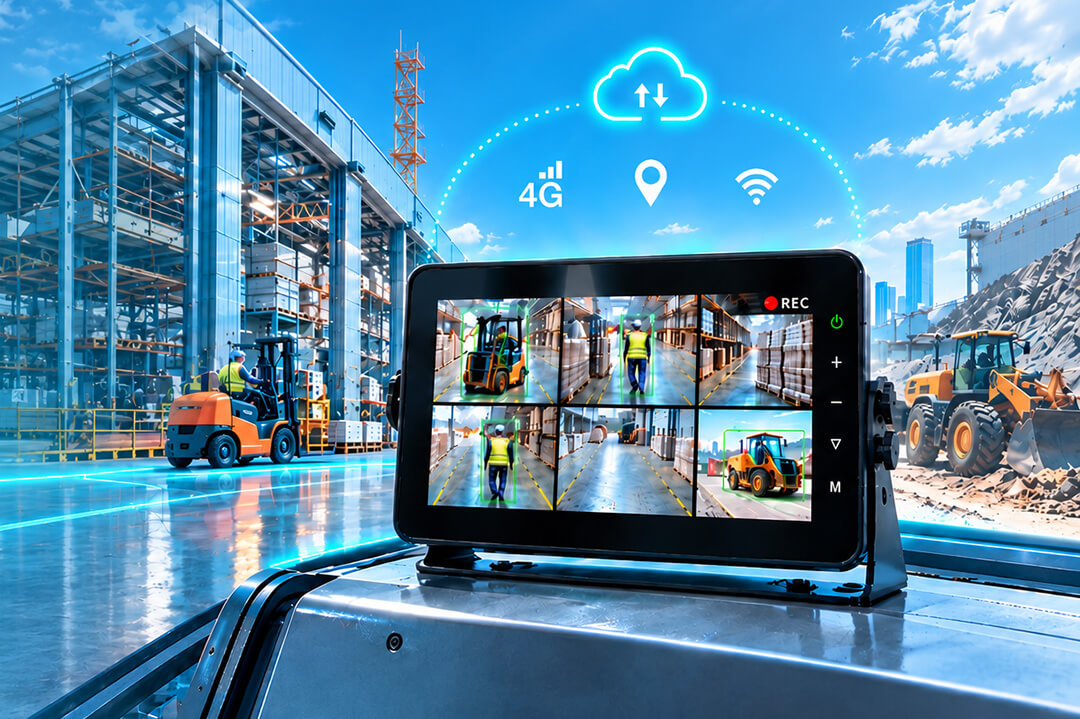
For commercial vehicles requiring multiple camera views, suitable transmitter and receiver configurations can be selected according to camera positions and system requirements. Footage from different monitoring areas can be transmitted to the in‑cab display, supporting multi‑camera vehicle monitoring.
Conclusion
For logistics fleets with frequent trailer changes, a vehicle monitoring system needs to provide clear views around the trailer while allowing convenient access to the current trailer's camera feeds after each changeover.
STONKAM PLC Wireless Vehicle Camera System uses the existing power wiring within the trailer cable for automatic pairing and a separate 2.4 GHz digital wireless link for video transmission. This reduces the need for additional video cabling between vehicles and manual pairing operations after trailer changes.
Whether deploying a new trailer camera system or upgrading an existing wired system to wireless transmission, STONKAM can provide flexible PLC wireless video configurations based on the power wiring, existing equipment interfaces and required camera channels of the tractor and trailer.
-
No. The existing power wiring is used for PLC-based automatic pairing between the transmitters and receivers. Video footage from the trailer cameras is transmitted separately through a 2.4 GHz digital wireless link.
-
No. When compatible STONKAM transmitters and receivers are installed on both the tractor and the new trailer, and the power wiring meets the required conditions, the devices automatically pair after the original trailer cable is connected and power is switched on.
-
No. The STONKAM solution still relies on the power wiring within the original trailer cable for PLC communication. What is eliminated is the need for additional video cables and dedicated pairing cables between the tractor and trailer.
-
The devices use 2.4 GHz digital wireless transmission technology, with a range of up to 300 meters in open areas. Actual performance may vary depending on installation conditions and wireless interference.
-
The transmitter supports CVBS, AHD 720P and AHD 1080P video inputs. The receiver's output format follows the video format of the camera connected to the transmitter.
-
The solution is suitable for trucks, tractor-trailer combinations, construction machinery and specialized vehicles. It is particularly applicable to projects requiring the conversion of wired video systems to wireless transmission, or where cabling is difficult due to long distances between cameras and displays, complex vehicle structures or frequent equipment installation and removal.