





AI Visual Perception
Transforms visual data into real-time environmental perception through object detection, scene understanding, and intelligent analysis.
1

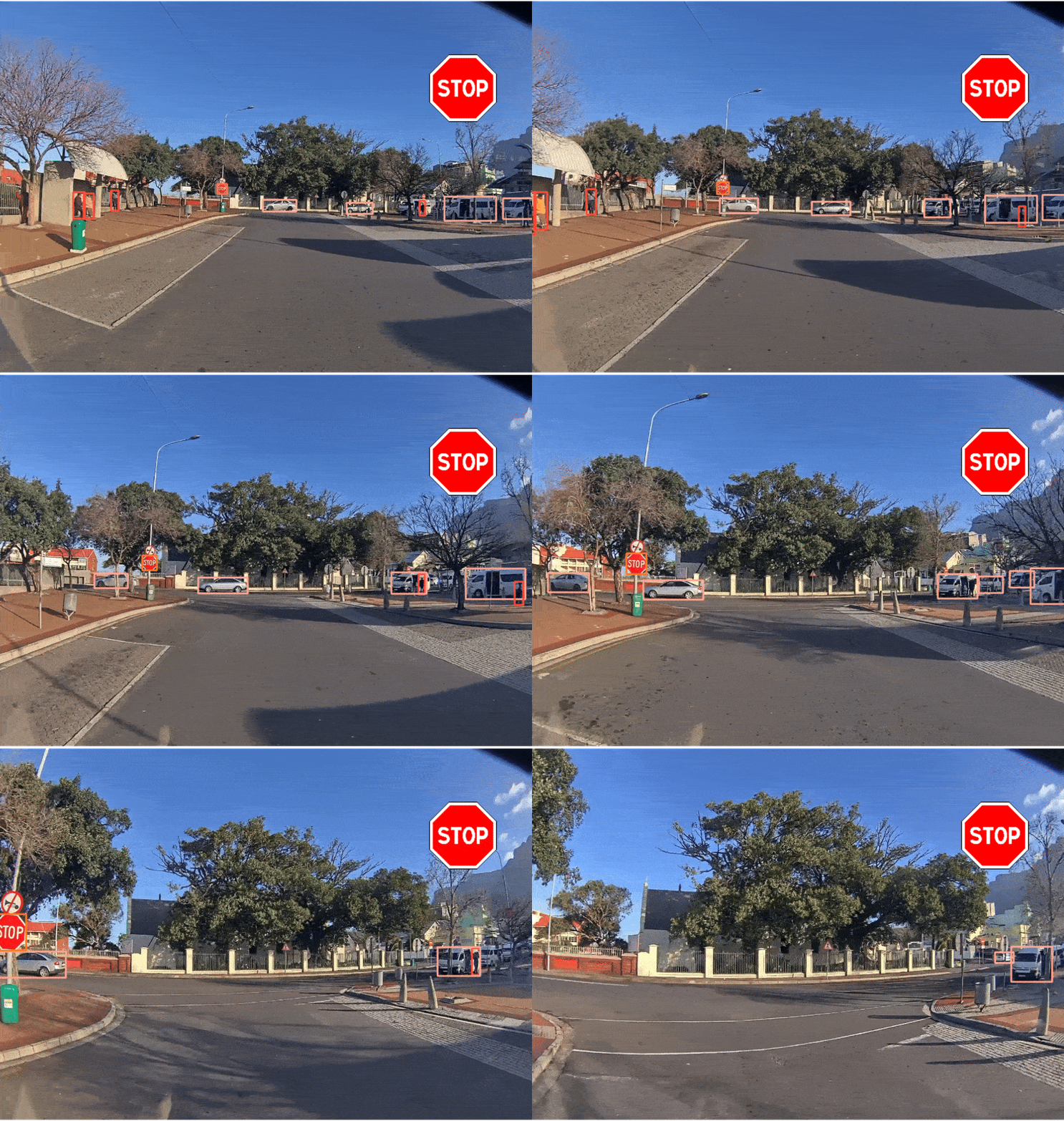
Target Detection
Real-time detection and classification of vehicles, pedestrians, machinery, animals, and safety equipment to support intelligent monitoring and risk awareness.
2
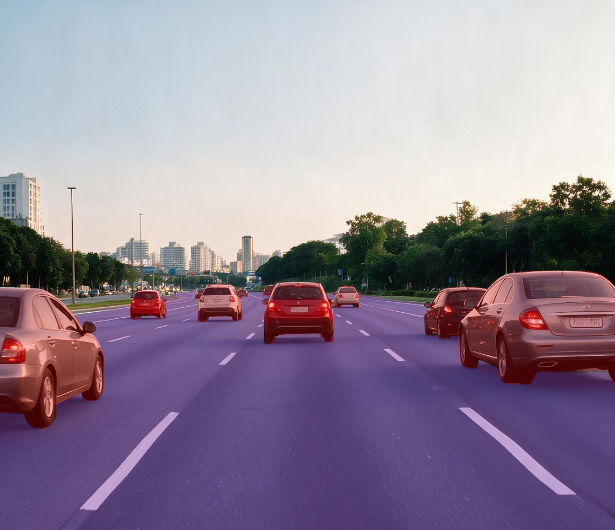

Image Segmentation
Pixel-level scene segmentation identifies drivable areas, hazard zones, and available spaces to support intelligent warnings and operational planning.
3
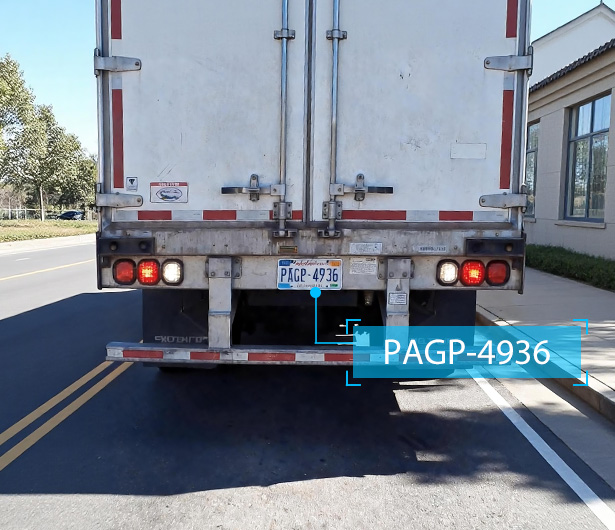

Character, Symbol Detection
Recognizes traffic signs, license plates, symbols, and operational markings to support intelligent monitoring, compliance, and safety management.
4
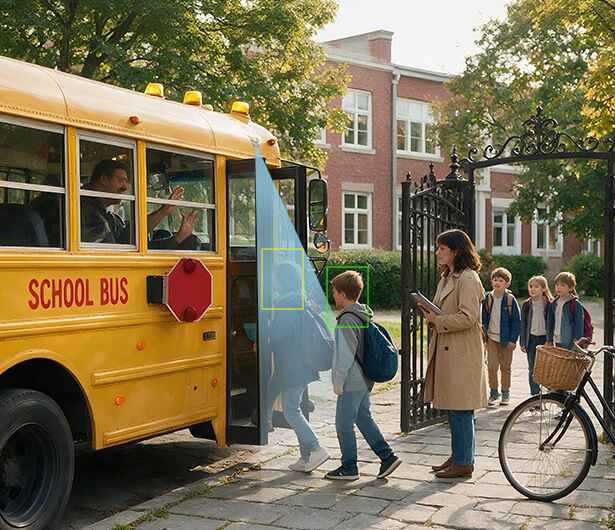

Target Tracking
Tracks moving targets in real time to support passenger counting, trajectory analysis, and intelligent video applications.
5
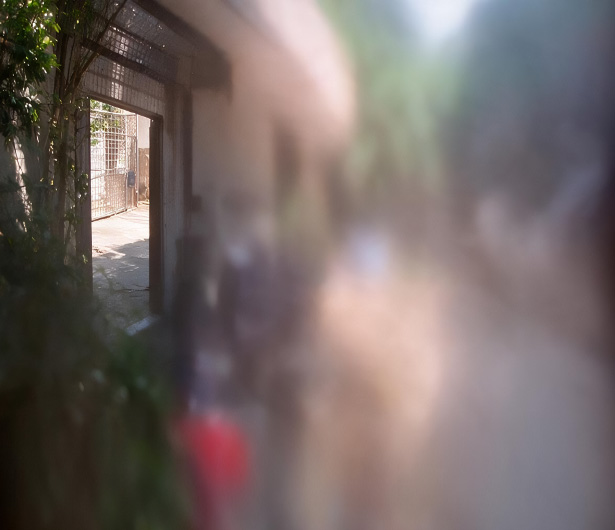

Detecting Abnormal Image
Continuously monitors camera image quality to detect occlusion, contamination, glare, and other abnormalities for reliable system operation.
6
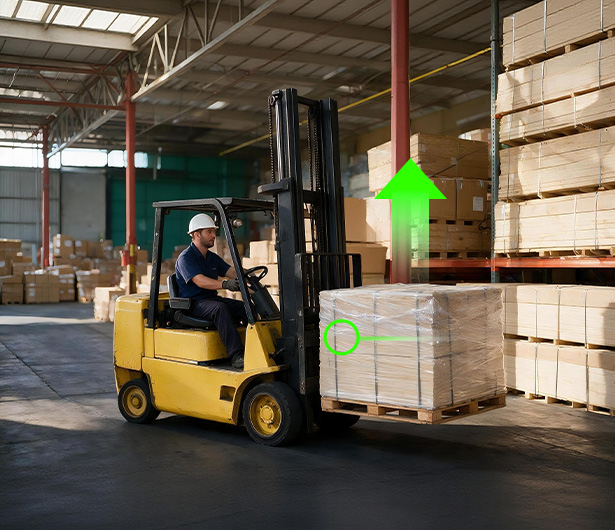

Predicting Motion Status
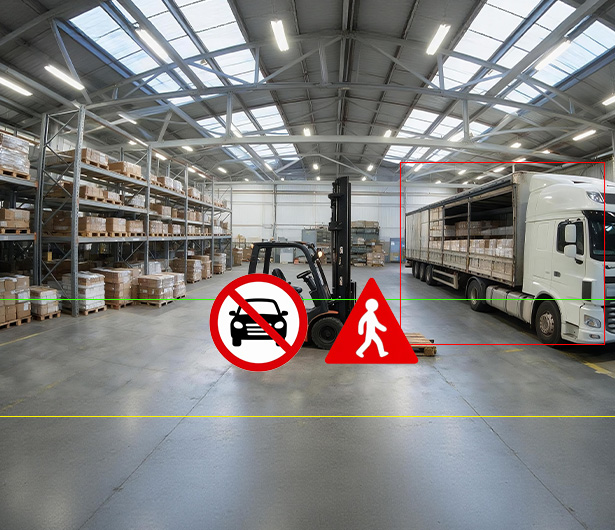
Analyzes real-time vehicle and equipment movements, such as forklift lifting, reversing, and driving status, to support intelligent control, operational efficiency, and safer workflows.
7
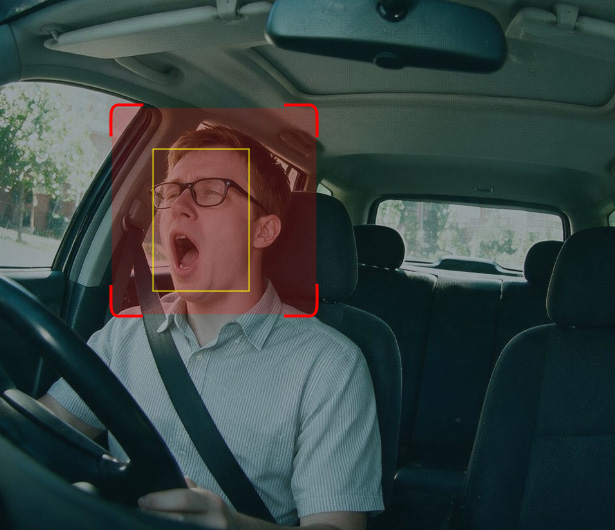

DMS Monitoring
Detects driver status and unsafe behaviors in real time to support safer driving and fleet safety management.
8
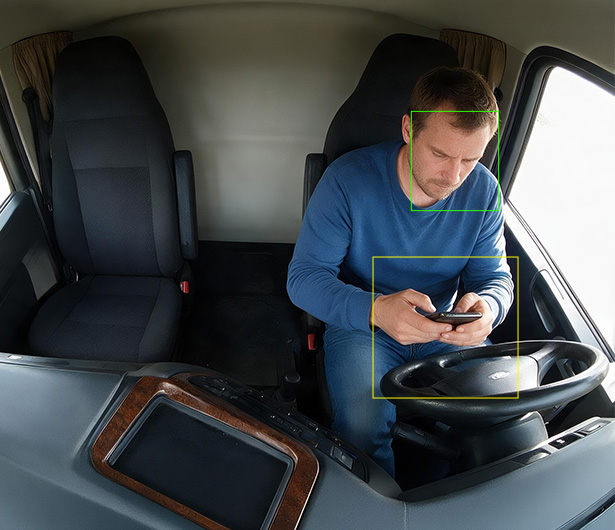

IMS Monitoring
Monitors cabin occupancy, driver behavior, and safety compliance to support intelligent in-cabin management for commercial and specialty vehicles.
AI Image Enhancement
Enhances image quality through AI-driven processing, improving visibility and detail for reliable visual perception.

-
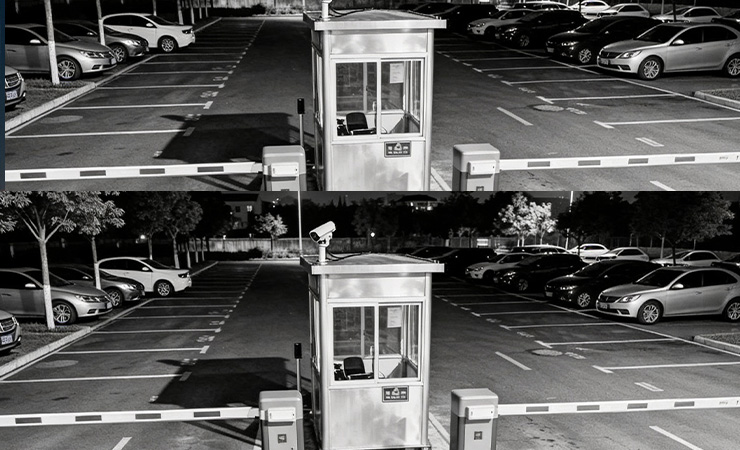
![Super-resolution Reconstruction]()
![Super-resolution Reconstruction]() Super-resolution ReconstructionAI super-resolution technology enhances low-resolution images by restoring details and improving clarity, supporting accurate detection in low-visibility or long-distance scenarios.
-
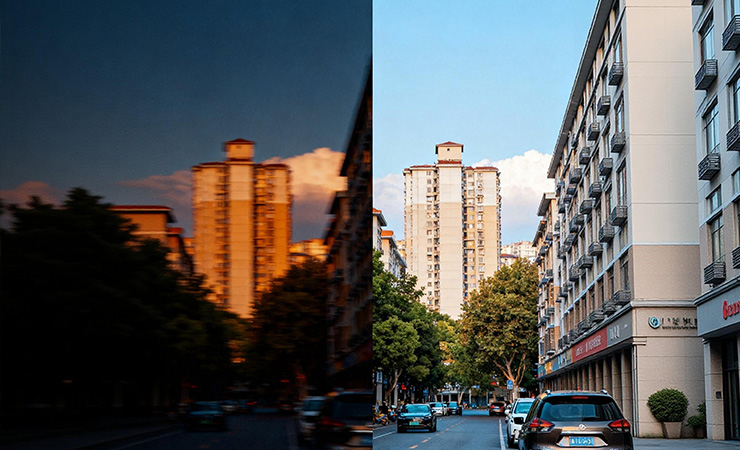
![AI ISP]()
![AI ISP]() AI ISPAI image processing automatically optimizes exposure, noise reduction, white balance, and color restoration for clearer images in various lighting conditions.
-
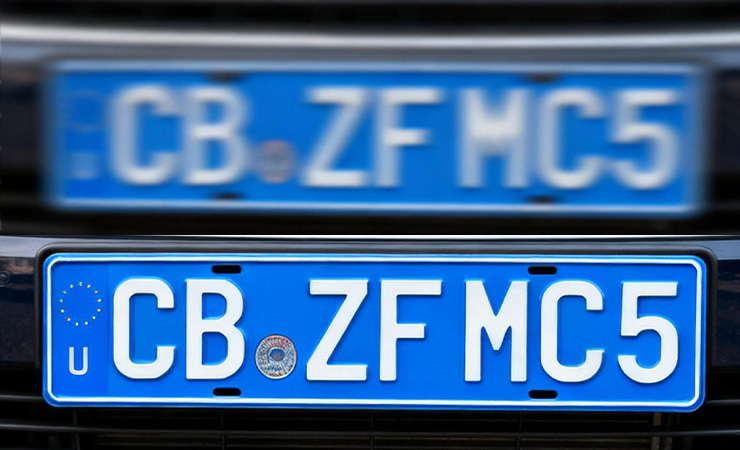
![Image Deblurring]()
![Image Deblurring]() Image DeblurringAI algorithms restore blurred images caused by high speed or vibration, enhancing details and improving applications such as license plate recognition.



Automatic Calibration
Combines intelligent calibration, distance measurement, and panoramic perception to support accurate environmental awareness and risk assessment.
-
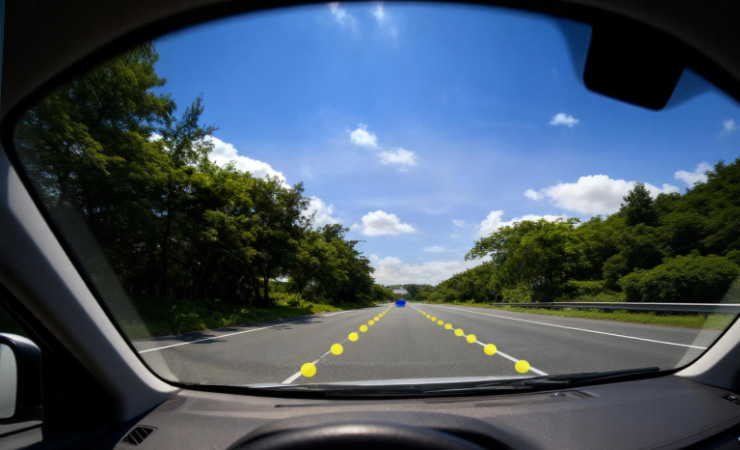
![ADAS Automatic Calibration]()
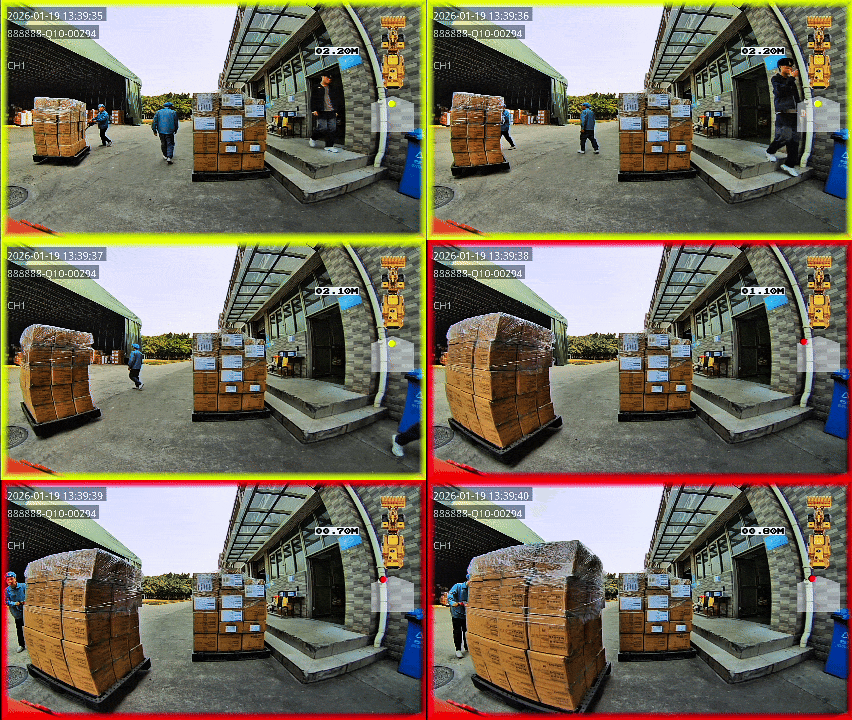
![ADAS Automatic Calibration]() ADAS Automatic CalibrationAutomatically calibrates vehicle parameters to support accurate distance estimation, time-to-collision (TTC) calculation, and collision risk assessment.
-
![Monocular Distance]()
![Monocular Distance]() Monocular DistanceEstimates target distance from a single camera to support environmental perception, risk assessment, and ADAS applications.
-
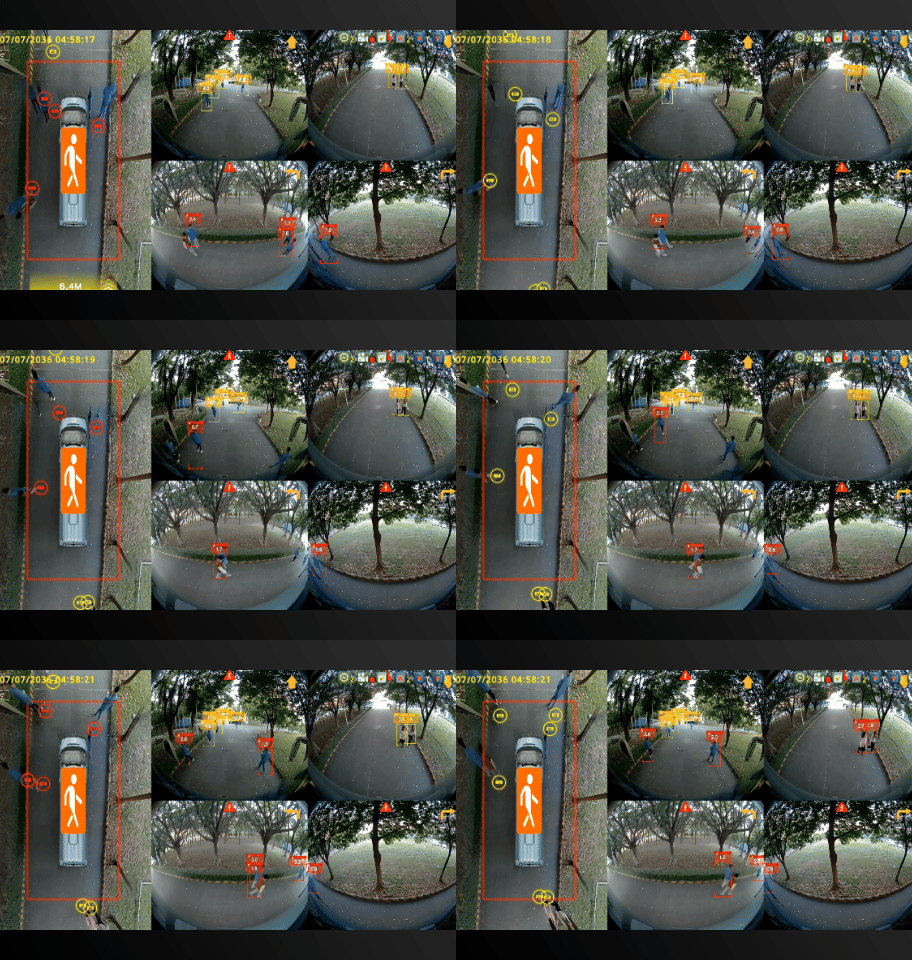
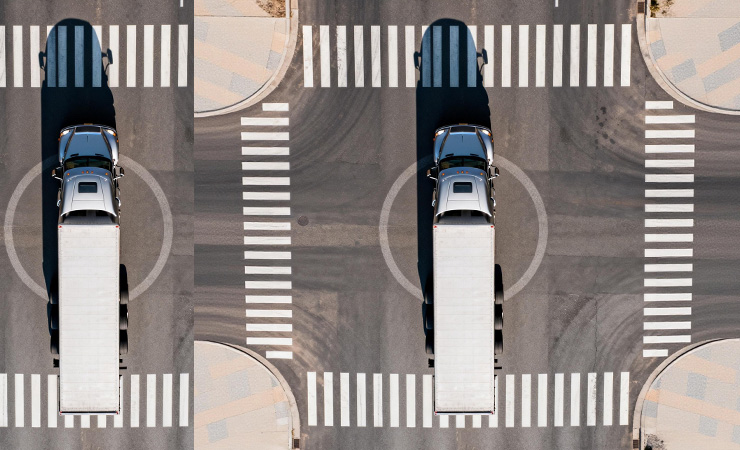
![Panorama Stitching]()
![Panorama Stitching]() Panorama StitchingGenerates a seamless 360° surround view to improve environmental awareness and support intelligent monitoring and risk detection.



Non-visual AI Perception
Integrates millimeter-wave radar, ultrasonic radar, LiDAR, thermal imaging, and multi-sensor fusion to detect surrounding objects' distance, direction, speed, spatial contours, and thermal signatures. Designed for challenging conditions, including darkness, rain, fog, and dust, it supports blind spot monitoring, reversing collision avoidance, and low-visibility driving assistance.
1
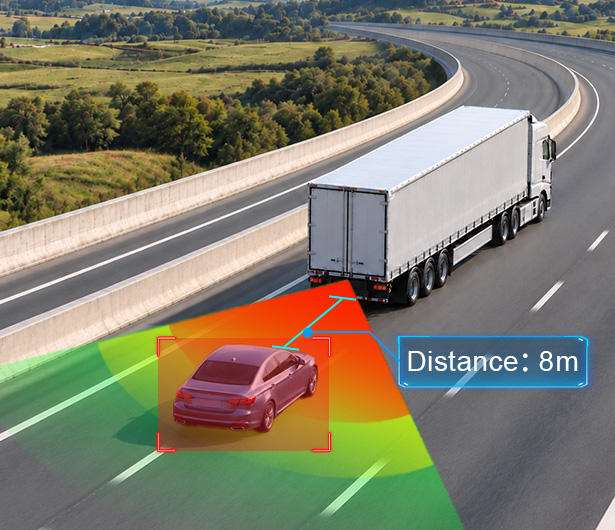

Target Distance Detection
Uses millimeter-wave radar and ultrasonic sensing to detect surrounding objects in real time, with multi-level distance alerts to help drivers identify collision risks.
2
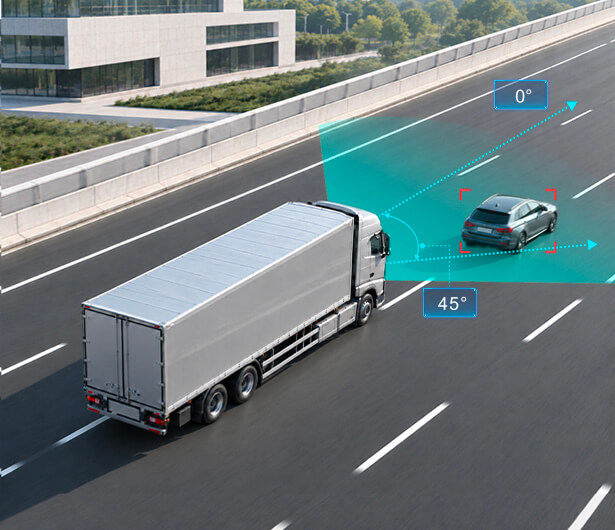

Target Direction Detection
Uses millimeter-wave radar arrays and angle estimation algorithms to detect object direction, with configurable detection zones to help drivers identify blind spots beyond mirror and direct vision.
3
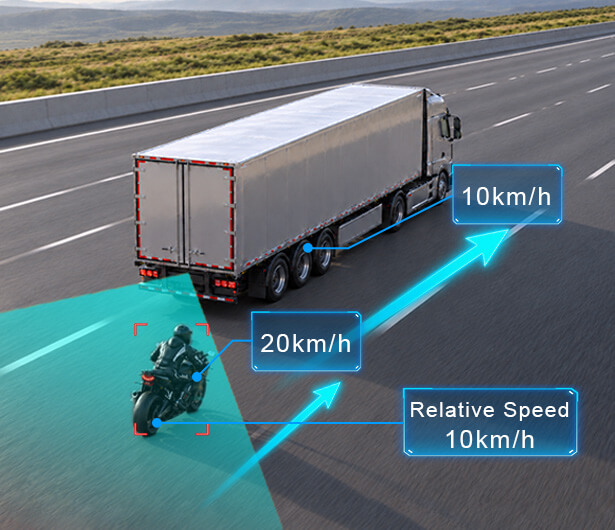

Relative Speed Detection
Uses Doppler information from millimeter-wave radar echoes to measure relative speed and identify target motion, supporting collision risk alerts based on distance and direction.
4
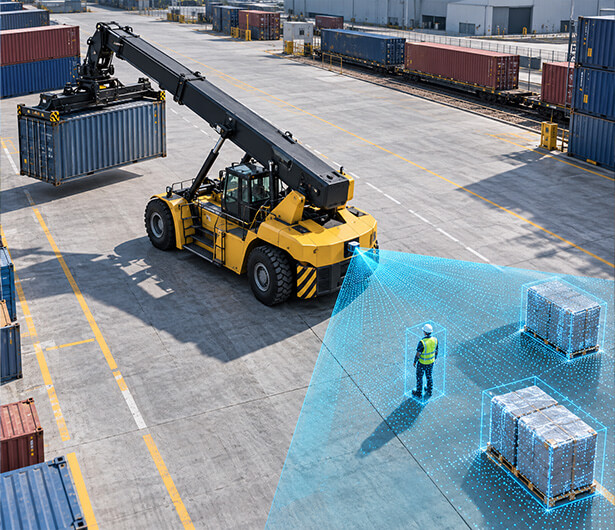

3D Spatial Perception
Uses high-precision solid-state LiDAR to capture 3D point clouds and spatial contours, detecting target distance, shape, height, and position to support object recognition and safety decisions.
5
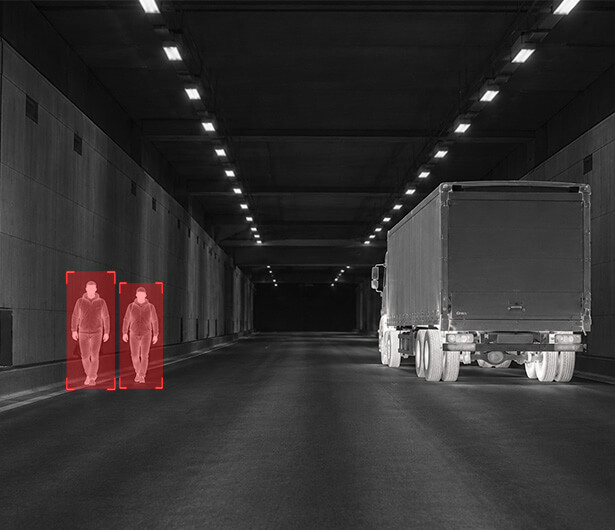

Infrared Thermal Perception
Captures infrared radiation from people, vehicles, and surrounding objects to reveal thermal outlines in low-light environments, providing complementary perception beyond visible-light cameras.
6
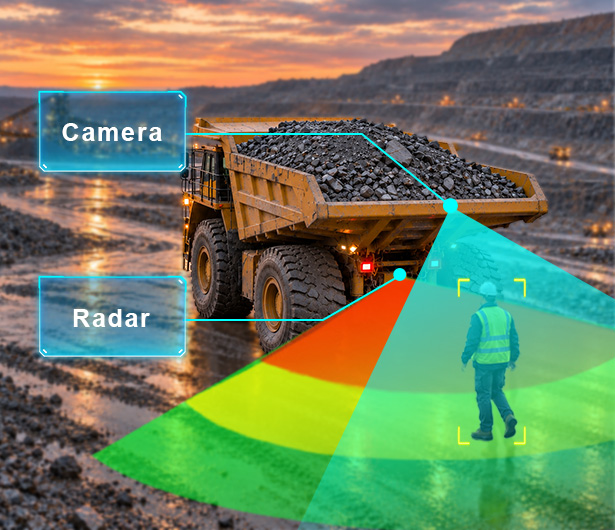

Radar and Video Fusion
Combines radar-based distance, direction, and speed data with camera images, overlaying target distances and alert zones to help drivers identify hazards and their locations.
7
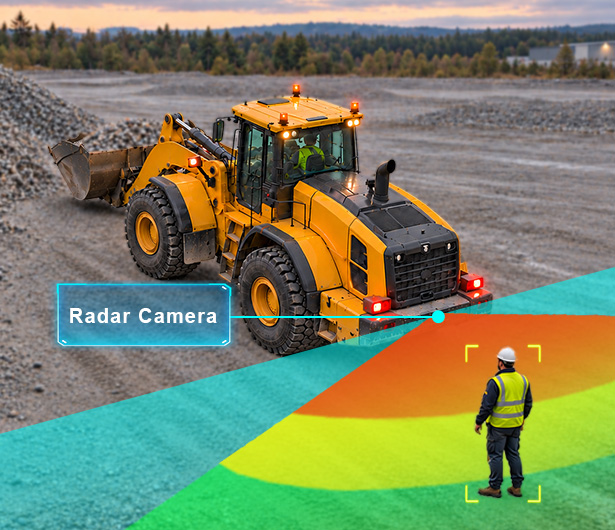

Integrated Radar-Camera Perception
Integrates 77 GHz millimeter-wave radar and a camera to combine sensing data with video, leveraging visual recognition and all-weather radar detection for blind spot monitoring, pedestrian alerts, and obstacle detection.
8
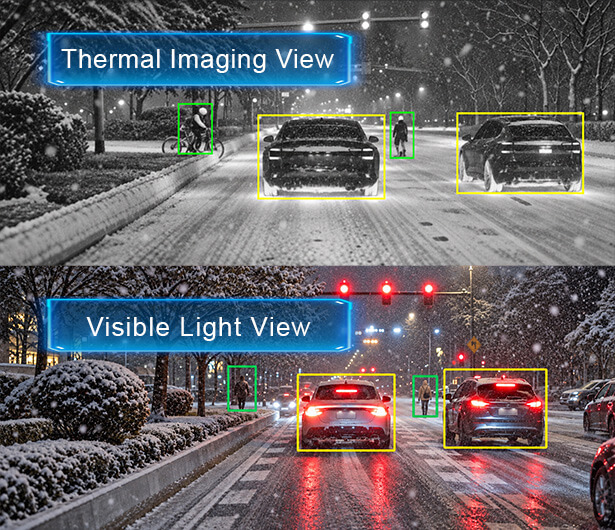

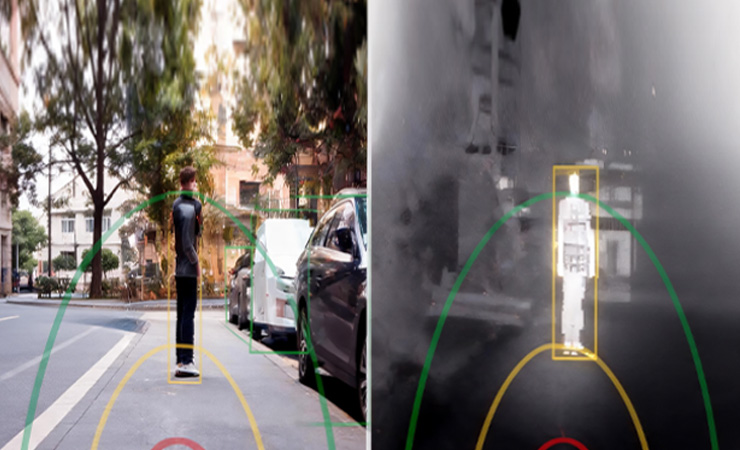
Dual-Spectrum Thermal Imaging Perception
Combines infrared thermal imaging with visible-light road details to improve the visibility of people and vehicles in darkness, rain, fog, and glare, providing enhanced environmental awareness.

